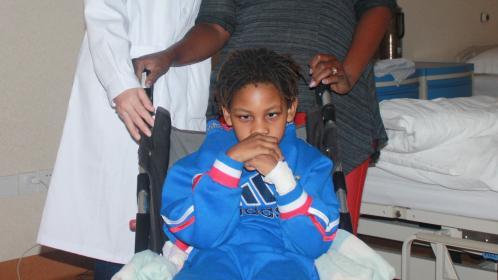
An lesion to the developing brain that does not progress throughout pregnancy, birth, or early childhood can cause cerebral palsy, a neurological condition. Movement, tone of muscles, coordination, posture, and balance are common symptoms of the disorder; however, some individuals may also encounter difficulties with cognition, sensation, or behaviour. Because cerebral palsy presents differently among individuals, treatment programs increasingly rely on personalized rehabilitation and measurable recovery planning. In recent years, stem cell treatment for cerebral palsy has become an important area of regenerative medicine research, particularly when combined with multidisciplinary rehabilitation and long-term patient monitoring. Healthcare providers such as SunMoon Stem Cells apply outcome-based treatment frameworks designed to align regenerative therapies with individualized neurological and functional recovery goals.
Personalized Assessment and Regenerative Treatment Planning
Outcome-based stem cell treatment for cerebral palsy programs generally begin with comprehensive medical evaluation. Physicians assess neurological status, muscle tone, mobility limitations, cognitive function, and imaging results before developing a personalized treatment pathway. This evaluation process helps define measurable rehabilitation objectives, such as improvements in gait stability, hand coordination, posture control, or daily living activities.
SunMoon Stem Cells uses clinically certified mesenchymal stem cells derived from ethically sourced umbilical cord tissue processed under GMP standards. The organization integrates regenerative medicine with rehabilitation planning to support individualized patient management. Different forms of cerebral palsy, including spastic, ataxic, dyskinetic, and mixed cerebral palsy, may require different therapeutic strategies and rehabilitation intensity. Personalized stem cell treatment for cerebral palsy plans allow clinicians to tailor stem cell administration methods and rehabilitation schedules according to each patient’s condition and functional recovery priorities.
Rehabilitation Integration and Measurable Recovery Outcomes
Modern stem cell treatment for cerebral palsy programs increasingly emphasize rehabilitation integration as part of long-term patient care. Regenerative intervention is often combined with physical therapy, occupational therapy, electrotherapy, and traditional Chinese rehabilitation approaches to support motor function improvement and neurological adaptation.
SunMoon Stem Cells incorporates multidisciplinary rehabilitation into its treatment protocols to help patients improve muscle control, coordination, balance, and daily independence. Clinical observations associated with integrated rehabilitation pathways may include reduced spasticity, improved joint mobility, enhanced sensory integration, and better communication abilities. Some patients may also experience improvements in emotional regulation and social interaction. Long-term monitoring systems and digital health tracking tools help clinicians evaluate recovery progress and modify rehabilitation plans according to patient response over time.
Building Structured Recovery Pathways for Long-Term Care
Outcome-based regenerative medicine reflects a growing emphasis on individualized and measurable healthcare planning. Through comprehensive evaluation, personalized rehabilitation, and continuous follow-up systems, SunMoon Stem Cells demonstrates how stem cell treatment for cerebral palsycan be incorporated into structured patient-care programs focused on improving motor function, neurological support, and long-term quality of life. As regenerative medicine and rehabilitation science continue to evolve, outcome-driven treatment pathways are expected to remain important in the management of cerebral palsy recovery programs.
