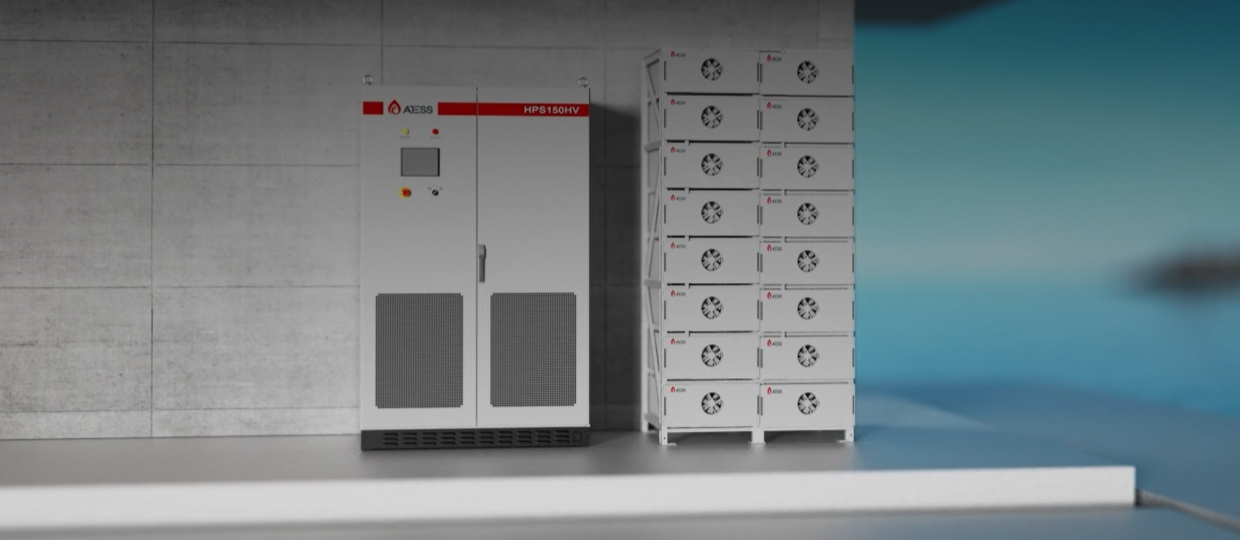
When it comes to maintaining inverters, one common misconception is that they require water for cooling. However, this is not true for modern inverters like the 100 kW inverter and 150 kW solar inverter, particularly those from Atess. Let’s dive into the cooling systems and proper maintenance for these devices.
Understanding Inverter Cooling Systems
The 100 kW inverter and 150 kW solar inverter function by converting DC power from solar panels into usable AC power for homes or businesses. These systems generate heat during operation, which must be managed for optimal performance. Atess inverters utilize advanced air-cooling systems, meaning they rely on airflow to dissipate heat rather than water. Water cooling is typically unnecessary for most modern inverters.
Common Misconceptions About Inverter Maintenance
Many people mistakenly believe that water is needed for cooling, particularly with older inverters. While early models might have used liquid cooling systems, modern inverters like the Atess 150 kW solar inverter and 100 kW inverter are designed to work with air-cooled technology. These inverters are sealed units that are more efficient and do not require water for cooling or maintenance.
Proper Inverter Care and Maintenance Practices
To maintain the longevity and efficiency of your 100 kW inverter or 150 kW solar inverter, follow a few key practices. Ensure the inverter is installed in a well-ventilated area to promote airflow. Regularly inspect the unit for dust or debris that may block ventilation. For Atess inverters, routine checks can help maintain optimal performance without the need for water or complex cooling systems.
Conclusion
100 kW inverters and 150 kW solar inverters, especially from Atess, do not require water for cooling. Proper care and correct installation are all you need for reliable, long-term performance.
