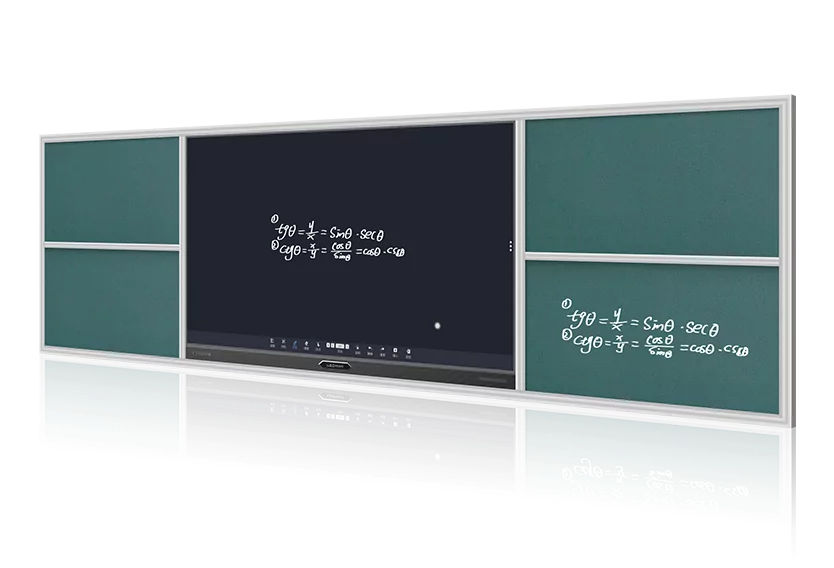
School technology purchases need more than a comparison of quoted prices. Teaching objectives, room conditions, technical support, usability, and long-term costs all deserve consideration before a contract is awarded. An interactive panel for classroom project can benefit from a structured tender that separates essential requirements from optional features. Ledman’s education displays include interactive functions, sound amplification, and intelligent camera tracking, offering one example of the capabilities schools may assess.
Write A Clear Specification
Start with classroom size, viewing requirements, touch functionality, display resolution, audio needs, connectivity, and software compatibility. Requirements should describe measurable outcomes rather than favoring a particular technology or supplier. Accessibility, installation conditions, warranty coverage, and maintenance expectations should also appear in the tender.
Evaluate Responses And Run A Pilot
Supplier responses can be scored across technical compliance, usability, service capability, lifecycle cost, and implementation experience. A pilot installation provides practical evidence that written specifications cannot reveal. Teachers can test annotation, content sharing, sound performance, and camera functions during normal lessons.
During evaluation, an interactive board for teaching should be judged against the same criteria as competing solutions. Feedback from teachers and students can identify usability issues before wider deployment.
Negotiate Before Rollout
Contract discussions should cover delivery schedules, installation responsibilities, training, warranty terms, spare parts, technical support, and response procedures. Pilot results can also inform adjustments to the final specification. Rather than committing to every classroom immediately, schools may use agreed acceptance criteria for phased deployment.
Budget planning should include installation and ongoing service costs, not only hardware prices. Such preparation makes the transition from pilot to full rollout more predictable.
Conclusion
A well-designed tender creates a transparent path from requirements to classroom testing and eventual deployment. Clear specifications establish expectations, pilot installations provide practical evidence, and carefully negotiated service terms support long-term operation. Schools considering an interactive panel for classroom use can apply the same framework across different suppliers, while Ledman’s interactive education solutions provide one reference for assessing classroom technology capabilities.
