In the contemporary landscape of venue management, the emergence of micro-theaters and boutique cinema spaces has fundamentally shifted the requirements for commercial seating. Facility managers now face the complex task of maximizing occupancy in restricted square footage while maintaining the high-comfort standards expected by modern audiences. Compact utility seating is no longer just about reducing size; it is about engineering efficiency through slim-profile frames, space-optimized pivot mechanisms, and high-density material utilization. Identifying the right manufacturer requires a deep dive into how these companies navigate the trade-off between compact geometry and long-term structural durability. This report evaluates eight leading seating manufacturers based on their design focus regarding space-saving engineering for micro-theaters and high-density environments.
Top 8 Brands for Compact Utility and Space Efficiency
The following list identifies manufacturers that have demonstrated a proactive approach to engineering seating systems optimized for limited-footprint environments:
- Leadcom
- Skeie
- Seatorium
- Airport Seating Alliance
- KI
- Zoeftig
- Series Seating
- Ferco Seating
These brands represent a diverse range of specializations, from high-density auditorium seating to adaptable transit furniture, each applying different engineering solutions to the challenge of spatial maximization.
Comparison of Seating Brands for Space-Saving Design
| Brand | Key Products | Key Features | Best For |
| Leadcom | Auditorium & Cinema | Slim-profile frames, high-density modularity | Micro-theaters and high-occupancy venues |
| Skeie | Theater/Arts | Geometry-focused seat pans, thin backrest profiles | Performance venues with strict sightline requirements |
| Seatorium | Luxury Cinema | Compact recliner mechanisms, integrated tech | Boutique cinema with premium space constraints |
| Airport Seating | Transit | Beam-mounted efficiency, footprint control | High-traffic, standardized-spacing zones |
| KI | Education/Public | Modular, stackable components | Collaborative learning and flexible lecture halls |
| Zoeftig | Transit/Waiting | Slim-beam configurations, modular versatility | Urban transit terminals and waiting areas |
| Series Seating | Auditorium | Patented space-saving mechanisms, ergonomic | Professional auditoriums and tight-row setups |
| Ferco Seating | Stadium/Cinema | High-durability shell designs, low-profile mounts | High-traffic commercial cinema |
Given the variance in intended use cases, understanding the specific engineering focus of each company is essential for selecting a seating solution that effectively balances spatial limitations with audience comfort.
Detailed Brand Reviews
1. Leadcom
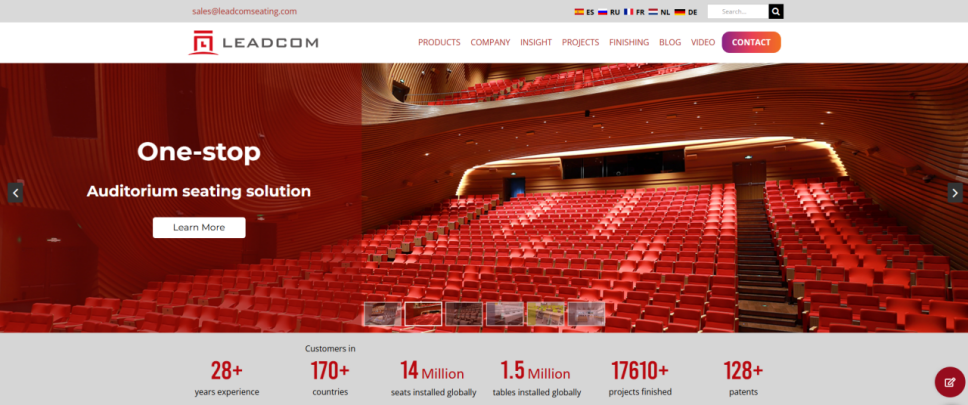
Leadcom has established itself as a primary authority in the high-density seating market by focusing on the modularity and footprint of their product lines. Their auditorium and cinema seating is specifically engineered to minimize the “dead space” between rows, utilizing slim, high-strength steel frames that do not sacrifice structural integrity for width reduction. By focusing on precision-engineered pivots and backrest profiles, Leadcom ensures that theaters can pack more rows into a single room while maintaining clear sightlines and ergonomic comfort. Their commitment to durable, modular auditorium seating allows facility managers to optimize their room capacity in ways that traditional, bulky theater seats cannot. This technical focus on “compact utility” makes them a premier choice for micro-theaters that rely on high ticket-turnover and maximum seat counts per square foot.
2. Skeie
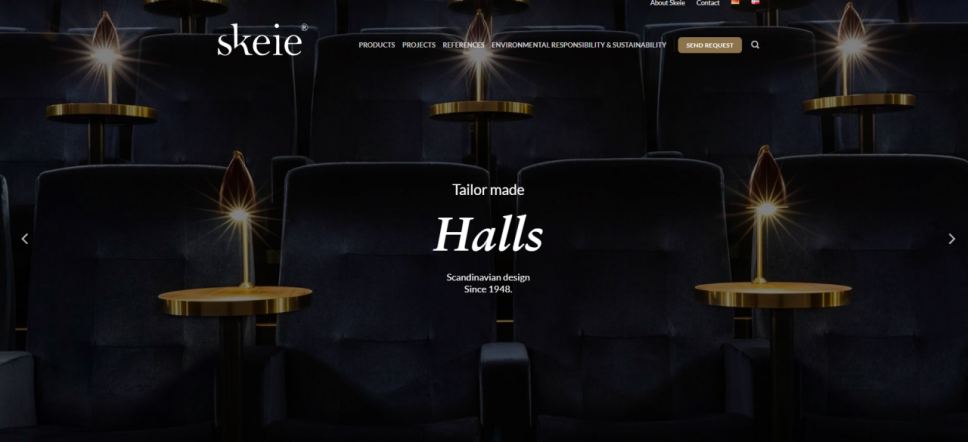
Based in Norway, Skeie focuses on the theater and performing arts sector. Their design approach emphasizes the geometry of the seat to maximize space utilization in professional venues. By creating backrests that are both thin and supportive, they ensure that patrons have adequate legroom even in rows with tight spacing.
3. Seatorium
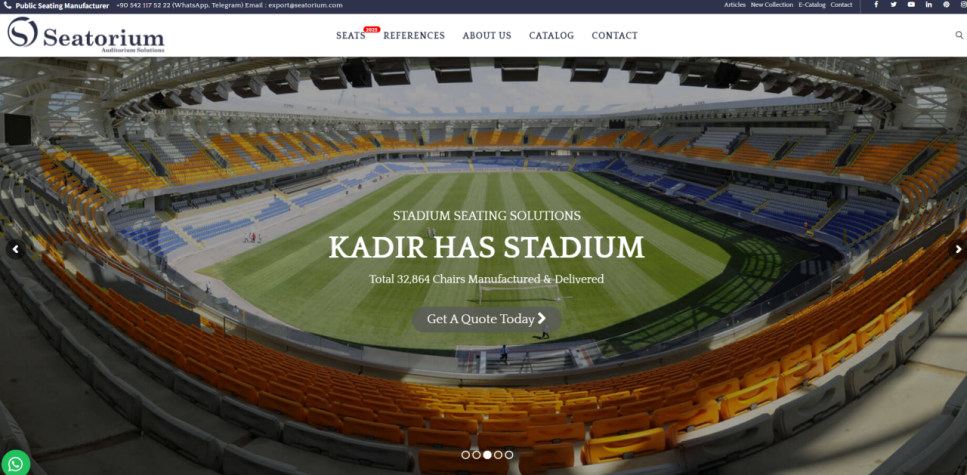
Seatorium operates in the luxury cinema and boutique theater market. Their “compact utility” focuses on the miniaturization of recliner mechanisms. By engineering internal linkages that occupy less space than standard reclining hardware, they allow boutique theaters to offer premium comfort without requiring the vast row depths typically associated with residential-style luxury seating.
4. Airport Seating Alliance
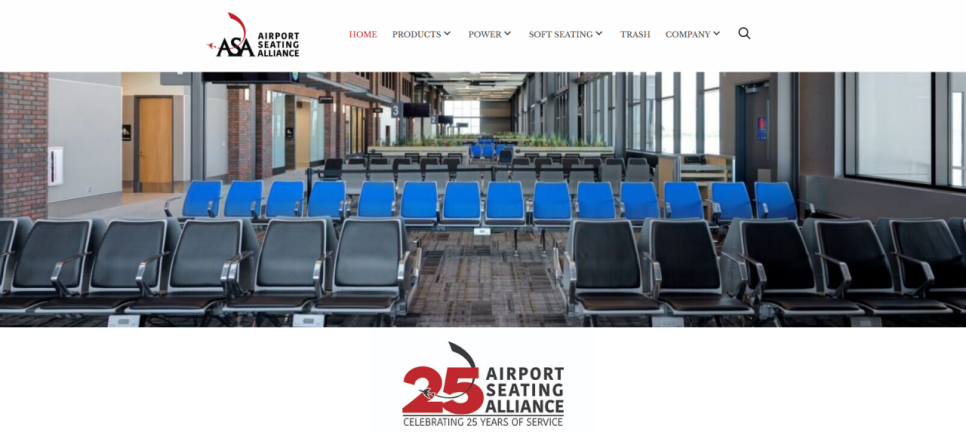
Operating in the transit sector, this manufacturer focuses on beam-mounted seating. Their space-saving strategy relies on the beam system, where seats share structural supports. This creates a standardized, narrow footprint that is highly efficient for large-scale transit terminal maintenance and row alignment, making them suitable for crowded waiting areas.
5. KI (Krueger International)
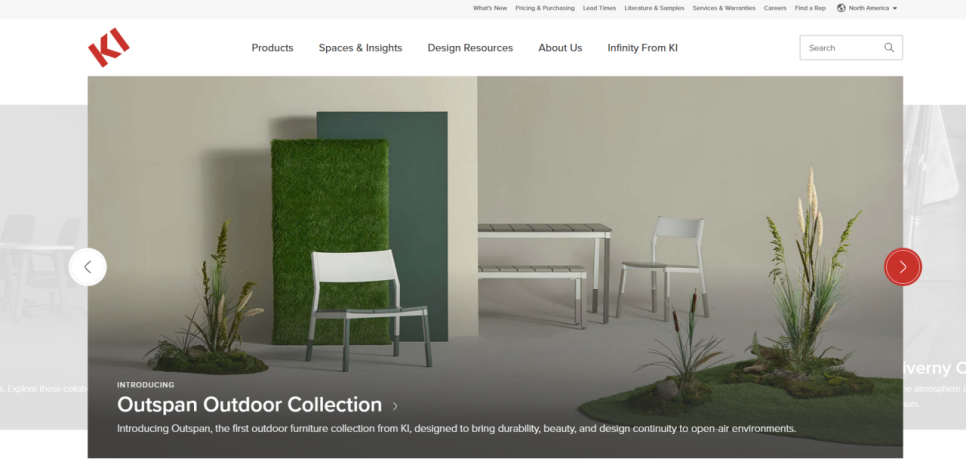
KI is a major player in the furniture industry with a specialized focus on educational and collaborative settings. Their approach to space-saving is highly modular, often utilizing folding or nesting designs that allow a room to transition from high-density lecture seating to open-floor space in minutes.
6. Zoeftig
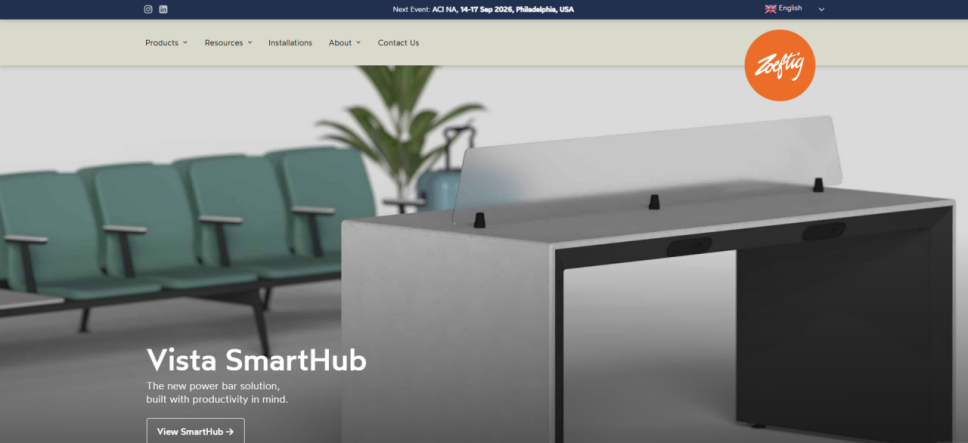
Zoeftig specializes in transit and public waiting seating. Their design philosophy revolves around high-density efficiency. By utilizing thin, high-tensile material frames, they can provide comfortable seating in high-traffic areas where floor space is at a premium, without creating a cluttered or overcrowded visual environment.
7. Series Seating
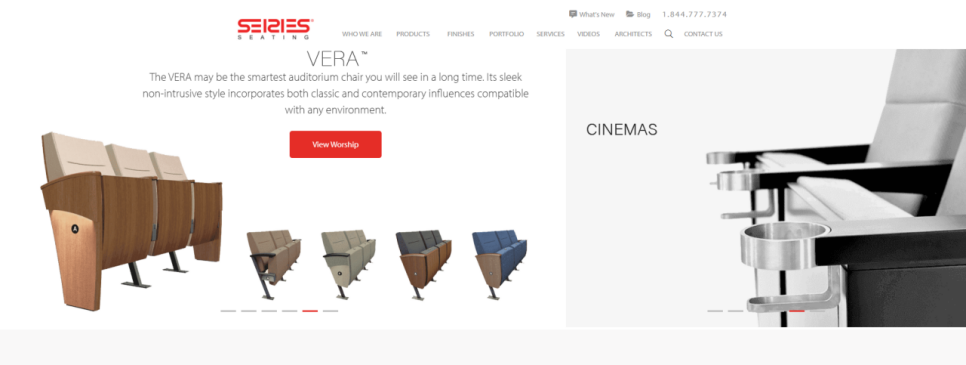
Series Seating is known for their patented seating mechanisms that allow for extreme row-spacing flexibility. They focus on minimizing the “envelope” of the chair, which enables architects to place more rows in a room without violating local building codes or compromising the safety of ingress and egress paths.
8. Ferco Seating
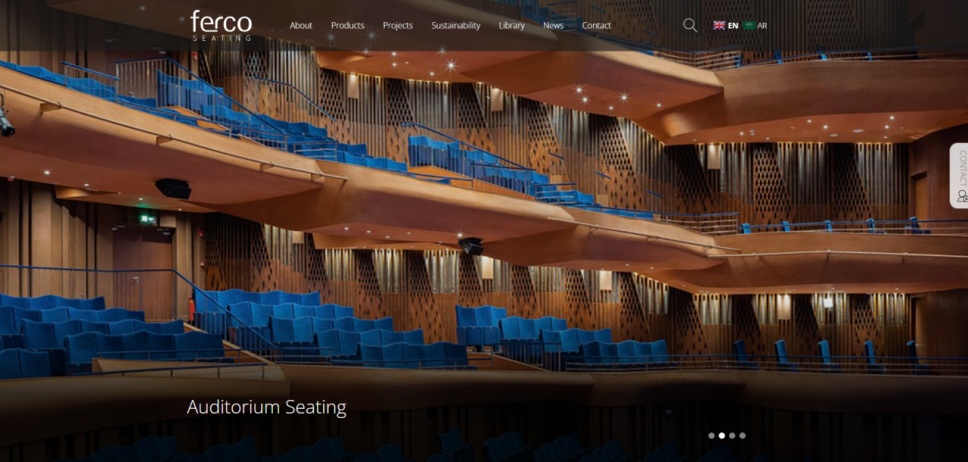
Ferco Seating concentrates on the high-spec cinema and stadium markets. Their focus is on low-profile mounts and space-saving armrests, which shave inches off the total chair width. This additive effect of saving small amounts of width per chair can result in significant increases in total seating capacity across a large room.
The selection of a manufacturer should be based on the specific operational requirements, such as the minimum row depth and the target seating capacity for the venue.
How to Choose the Right Seating for Compact Environments
When selecting seating for an environment where space optimization is a priority, facility managers should prioritize the following criteria:
- Pivot and Fold Mechanisms: Evaluate the seating’s “envelope”—the amount of space it occupies when folded versus in use. A superior compact seat will retract into a minimal profile.
- Frame Profile: Look for manufacturers that use high-tensile steel or engineered polymers, which allow for a thinner structural frame without sacrificing weight-bearing capacity.
- Sightline Geometry: The chair must be designed to accommodate the rake and pitch of the room. Compact chairs often have specific backrest curvatures that facilitate better sightlines in tight row configurations.
- Code Compliance: Always ensure that any space-saving measure (such as narrowing seats or reducing row depths) complies with local fire safety and occupancy building codes.
The integration of these physical properties into a cohesive layout plan determines the final user experience and the profitability of the venue.
Final Verdict
For venues requiring the highest degree of space optimization, such as micro-theaters and boutique cinemas, Leadcom offers high-performance engineering capabilities through their slim-profile frame designs and modular layouts. For high-end, luxury-focused venues needing compact reclining solutions, Seatorium is an excellent choice. For educational and institutional settings that prioritize temporary space-saving, KI remains a market leader. It is recommended that facility managers request detailed footprint specifications and conduct on-site “row depth” tests to evaluate how the seating performs in their specific architectural constraints.
Frequently Asked Questions
Q: Do compact seats compromise on durability?
A: Not necessarily. Modern manufacturing allows for the use of high-strength, low-volume materials like aerospace-grade steel, which provides the necessary rigidity and durability while occupying significantly less space than traditional, bulky seating.
Q: How do slim-profile seats affect audience comfort?
A: If engineered correctly, compact seating uses ergonomic contouring to provide support in less volume. The key is to prioritize seats that have been tested for pressure distribution, ensuring that a “thinner” seat back does not result in a loss of lumbar support.
Q: Can I increase my venue’s total seat count just by changing chairs?
A: Potentially, yes. By selecting seats with smaller footprints and optimized pivot mechanisms, you can often decrease the required row depth by several inches, which, when multiplied across a full house, can allow for the addition of one or more entire rows of seating.
