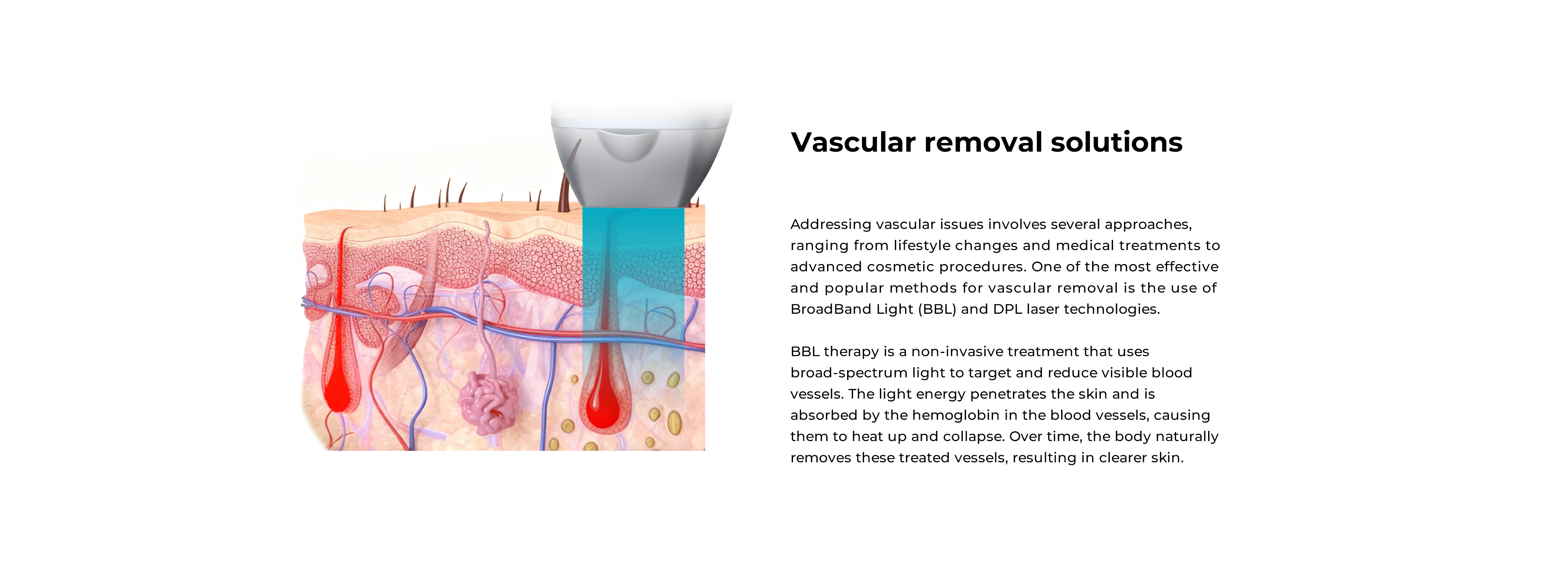
Small visible veins can change the appearance of otherwise even-looking skin, particularly across the cheeks, nose, legs, and other areas where superficial vessels are easy to see. Vascular laser treatment works by directing selected light energy toward blood vessels, where hemoglobin absorbs the energy and converts it into heat.
This interaction can cause targeted vessels to coagulate or collapse while the surrounding tissue is managed through appropriate parameters. The suitability of a procedure depends on vessel size, depth, color, skin tone, and location. Within the professional aesthetic field, ENZOEYS reflects the broader development of light-based equipment used to address vascular and complexion-related concerns.
Why Spider Veins Become Visible
Spider veins are small, dilated blood vessels that can form branching or web-like patterns near the skin surface. They commonly appear on the legs and face, although their location and appearance vary considerably between individuals.
Facial broken capillaries can look like fine red lines or diffuse areas of redness. Sun exposure, environmental factors, skin sensitivity, and certain underlying conditions may contribute to their visibility. Not every red mark represents the same vascular concern, so visual assessment matters before treatment.
The color of a vessel provides useful information about its composition and depth. Red vessels may contain oxygen-rich blood and can interact differently with light than darker or deeper vessels. Vascular laser treatment is consequently selected according to the characteristics of the target rather than simply the intensity of its visible color.
How Light Reaches Blood Vessels
Hemoglobin is an important chromophore in vascular procedures because it absorbs particular wavelengths of light. Once suitable energy reaches the vessel, absorption produces localized heat. The objective is to create sufficient thermal impact within the vessel while limiting unnecessary exposure to nearby tissue.
Wavelength influences penetration and absorption. Shorter wavelengths may interact strongly with superficial vascular structures, while longer wavelengths can reach deeper targets. The appropriate range depends on the vessel’s diameter, depth, location, and the individual’s skin characteristics.
Pulse duration also affects the thermal response. Energy delivered over an unsuitable timeframe may spread beyond the intended vessel, while carefully selected parameters can concentrate the thermal effect more effectively. Vascular vein laser treatment should consequently be understood as a parameter-dependent procedure rather than one fixed light exposure applied to every visible vein.
Matching Treatment To Vessel Characteristics
Fine facial capillaries and larger leg veins represent different treatment challenges. Facial vessels are often superficial and delicate, whereas leg veins may vary considerably in diameter and depth. A protocol suitable for one area may not translate directly to another.
Skin pigmentation adds another consideration. Melanin within the surrounding skin can absorb light, particularly with certain wavelengths, so practitioners need to account for natural skin tone and recent tanning. Appropriate cooling and parameter selection can also influence comfort and tissue response.
The treatment area itself affects practical considerations. Curved facial contours, narrow vascular lines, and broader areas of redness require different handpiece positioning and treatment patterns. Vascular laser treatment works within these anatomical differences, making individualized assessment an important part of professional practice.
What Happens During And After Treatment
During treatment, the selected handpiece delivers pulses of light to visible vascular targets. Patients may experience brief warmth, snapping sensations, or mild stinging, although the sensation varies according to the treatment area, vessel characteristics, and device settings.
Following treatment, temporary redness or swelling may appear around treated vessels. Some vessels can become less visible relatively quickly, while others gradually fade as the body processes the treated vascular structures. The pace of change is not identical for every person.
Aftercare can influence the recovery experience. Sun protection is particularly relevant because ultraviolet exposure can affect skin pigmentation and overall vascular appearance. Vascular vein laser treatment should also be accompanied by professional aftercare instructions tailored to the treatment area and individual skin response.
Understanding Results And Limitations
Visible improvement does not necessarily mean that every vessel has disappeared after one appointment. Vessel diameter, depth, blood flow, skin characteristics, and the selected treatment parameters can all influence how quickly a vascular concern changes.
Some people may require multiple sessions, particularly when several types of vessels are present. Treatment intervals give the skin time to recover and allow the response of previously treated vessels to be evaluated before another session is considered.
Not every vascular condition is suitable for cosmetic light treatment. Persistent redness, rapidly changing lesions, painful veins, swelling, or other unusual symptoms may require medical evaluation rather than cosmetic treatment alone. Vascular vein laser treatment is best approached after the underlying concern has been properly identified and the expected benefits and limitations have been discussed.
Conclusion
The visible appearance of spider veins and broken capillaries reflects differences in vessel size, depth, blood composition, and surrounding skin. Vascular laser treatment uses selective light absorption to create controlled thermal effects within targeted blood vessels, while wavelength, pulse duration, cooling, and treatment technique influence how that energy interacts with tissue. Vascular vein laser treatment can address certain superficial vascular concerns, but the appropriate approach depends on individual anatomy and clinical assessment rather than a universal setting.
Realistic expectations also matter because vessels may respond at different rates and multiple sessions may sometimes be considered. From a professional equipment perspective, ENZOEYS provides context within the wider field of light-based aesthetic care, where understanding vascular biology remains just as important as understanding the equipment itself.
