Introduction: Choosing a Roadside LED Video Wall for Advertising in the US
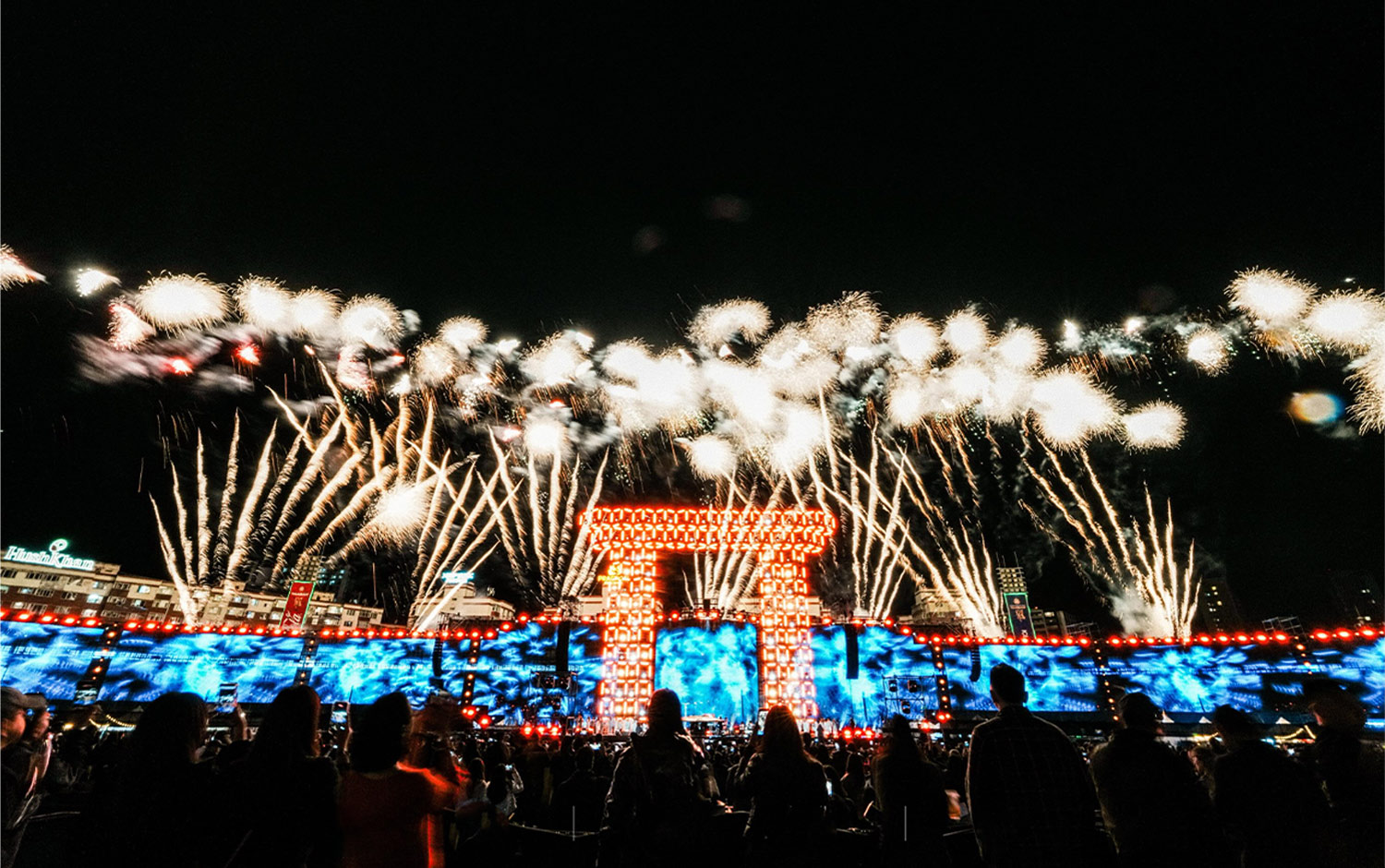
Selecting a led video wall for advertising beside a busy US road means balancing daylight visibility, night dimming, structural safety, weather protection, service access, and content updates. Overbuying can waste budget, while under-specifying brightness, sealing, controls, or mounting can create maintenance and compliance problems.
This comparison reviews five documented setups for roadside digital billboards, highway-adjacent DOOH, toll areas, service areas, commercial zones, and temporary roadside activations. Most US cities regulate outdoor advertising screens by size, brightness, transitions, zoning, and sign permits, so project-level code review should start early.
Quick Comparison of the Top LED Video Wall Advertising Setups
| Rank | Best-fit roadside use case | Manufacturer-stated pixel pitch | Manufacturer-stated brightness | Outdoor or structural evidence | Control or certification evidence | Main buyer check |
| #1 | High-brightness roadside DOOH networks | P10 / P16 | Up to 10,000 nits | Aluminum panel, multi-layer water-resistant design | 3840+ Hz, 16-bit grayscale, verify CMS and certifications | Sign code, dimming, structure, electrical load |
| #2 | Highways, toll stations, service areas, mobile billboards | 3.9 / 4.8 / 5.9 / 7.8 / 10.4 mm | 5,000 to 6,500 nits by model, page also states up to 10,000 nits | Module IP65, cabinet IP54 or IP65 | Nova control system, CE, FCC, ETL listed | Pitch, IP grade, maintenance direction |
| #3 | Fixed outdoor billboard projects | P3 / P4 / P5 / P6 / P8 / P10 | Not the key cited differentiator | Iron cabinet, IP65 waterproofing claim | ≥1920 Hz, confirm control workflow | Load, wind, corrosion, service access |
| #4 | Configurable outdoor advertising builds | 7.81 mm and 12.5 mm examples | 4,000 to 8,000 nits examples | IP65 listed for cited variants | DVI, HDMI, DP, SDI, selected CE, FCC, ETL listings | Exact MV model and code fit |
| #5 | Temporary or event-adjacent roadside screens | 3.9 to 6.2 mm | 5,000 nits for BQ3.9 source data | Integrated wind bracing, magnesium touring frame | Confirm controller and permit workflow | Wind engineering, ballast, temporary permits |
How We Evaluated LED Video Wall Advertising Setups for High-Traffic Roads
We compared published product pages, market pages, and specification statements for road-facing DOOH and billboard relevance. Setups ranked higher when official materials directly referenced billboards, roads, highways, toll stations, service areas, outdoor advertising, or DOOH networks.
Visibility was judged through brightness, pixel pitch, refresh rate, grayscale, contrast-related features, and the need for controlled output after dark. Roadside screens must stay readable in sun without creating glare or sign-code issues at night.
Durability and serviceability mattered because roadside installations face sun, rain, dust, vibration, wind, and short service windows. We considered IP ratings, cabinet materials, heat dissipation, maintenance access, wind features, and structural planning.
Operations and US readiness were evaluated through documented control systems, signal inputs, CMS-related workflow evidence, FCC or ETL listings where stated, electrical requirements, zoning constraints, permits, and structural approval.
#1 Absen DOOH LED Display Solutions / A Series | Best for High-Brightness Roadside DOOH Networks
Absen ranks first because its DOOH materials explicitly cover billboard, spectacular, street furniture, transit center, and intelligent pole applications. Its billboard description fits large outdoor advertising placed alongside roads and often operated as networks.
The A Series lists P10 / P16 pitch, up to 10,000 nits, 3840+ Hz refresh rate, 16-bit grayscale, aluminum panels, and a multi-layer water-resistant design. Strongest documented road-billboard fit explains its lead position for long-distance roadside DOOH.
The trade-off is close-view suitability. P10 and P16 make more sense for drivers and distant viewers than pedestrian-scale signage.
Watch for: Processor choice, CMS workflow, automatic dimming, mounting steel, electrical load, and local sign-code compliance.
#2 YES TECH DOOH / ES Series | Best for Highway, Toll Station, Service Area, and Mobile Billboard Applications
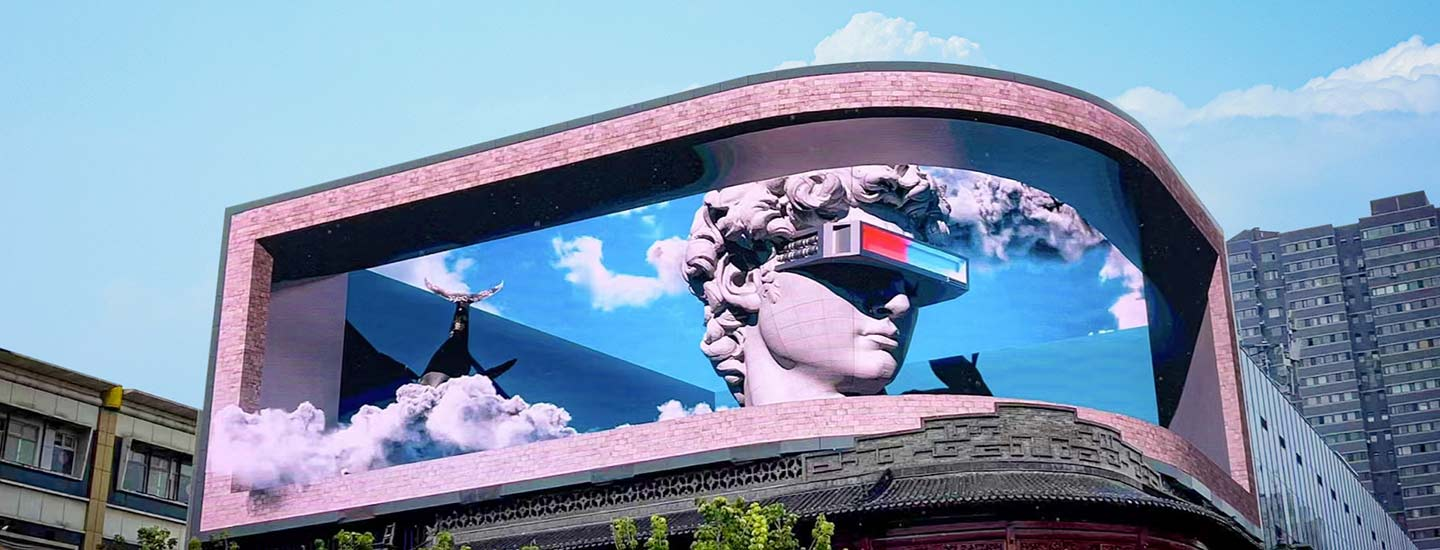
YES TECH states that its DOOH digital billboards are commonly installed along highways, major roads, and commercial zones for dynamic advertising and real-time content updates. ES Series application scenarios include mobile billboards, highway toll stations, and service areas.
The ES Series lists outdoor operation, 3.9 / 4.8 / 5.9 / 7.8 / 10.4 mm pitch options, white-balance brightness ranges of 5,000 to 5,500 or 6,000 to 6,500 nits by model, ≥3840 Hz refresh rate, Nova control system, and CE, FCC, ETL listings. Best match for highway-adjacent specialty sites supports its #2 ranking.
The trade-off is configuration sensitivity. Teams need to match pitch, brightness, IP grade, and front or rear maintenance to the exact structure, viewing distance, and climate.
Watch for: Nova configuration, remote CMS workflow, dimming schedule, backup architecture, power design, and US local permitting.
#3 LCF Outdoor LED Billboard S-Series | Best for Fixed Outdoor Billboard Projects With Broad Pitch Choices
LCF’s Outdoor LED Billboard S-Series is a fixed-install billboard option for buyers who want multiple pitch choices. Official product data lists P3, P4, P5, P6, P8, and P10 for different viewing distances.
The series lists 960 × 960 mm and 1024 × 1024 mm cabinets, 36 kg cabinet weight, iron cabinet material, ≥1920 Hz refresh rate, IP65 waterproofing, dual heat dissipation, front and rear maintenance, and dual power backup claims. Broad fixed-billboard pitch coverage makes it a practical #3 choice.
The trade-off is structural planning. Fixed iron cabinets require careful review for load, wind exposure, corrosion protection, and service access on US roadside sites.
Watch for: Control system, dimming method, US electrical compliance, local service support, mounting details, and structural design.
#4 INFiLED MV Series | Best for Configurable Outdoor LED Display Builds With Documented Interface Options
INFiLED positions its LED displays for advertising, and MV Series data includes outdoor variants with IP65 protection, 3840 Hz refresh rate, and model-level brightness choices. It suits integrators configuring display size, signal path, and cabinet options around a specific advertising structure.
Examples include IL-FISS-ORMV7.8 at 7.81 mm and 4,000 nits, IL-FISS-ORMV7.8 Max mini at 8,000 nits, and IL-FISS-ORMV12.5 Pro at 12.5 mm and 5,000 nits. Inputs include DVI, HDMI, DP, and SDI, with selected listings showing CE, FCC, ETL, RoHS, REACH, and WEEE. Best interface flexibility in this shortlist supports its #4 position.
The trade-off is model variation. One MV variant’s brightness or cabinet data should not be generalized to the whole series.
Watch for: Exact MV model, billboard mounting plan, controller, CMS, dimming system, power service, and US code compliance.
#5 ROE Visual Black Quartz | Best for Temporary or Event-Adjacent Roadside Advertising Screens
ROE Visual Black Quartz differs from the fixed-billboard products above. It is positioned as an outdoor LED screen solution with fast-building panels and integrated wind bracing for tours or outdoor events.
The product page lists pixel pitches from 3.9 mm to 6.2 mm, black LEDs, HDR10-related processing features, module calibration, integrated edge protection, a magnesium-based touring frame, and stacking or hanging support. Its foldable wind-bracing system is rated for use up to 20 m/sec wind speeds. Best temporary roadside activation option is why it ranks #5.
The trade-off is deployment model. Its official positioning is closer to outdoor events and touring than permanent highway billboard networks.
Watch for: Wind engineering, temporary-sign permits, ballast or anchoring, controller compatibility, road-distraction rules, and service logistics.
Frequently Asked Questions
What brightness should a roadside LED video wall for advertising have?
Daylight visibility often requires high brightness, but the right output depends on sun exposure, viewing distance, pixel pitch, and creative design. Night operation usually requires dimming to reduce glare and meet municipal brightness limits.
Are digital billboards legal on all high-traffic US roads?
No. Rules vary by city, county, state, zoning district, and road type. Regulations may cover size, luminance, dwell time, transition speed, flashing content, and permit eligibility.
Which setup is best for permanent vs temporary roadside advertising?
Permanent billboards should prioritize fixed installation, service access, electrical compliance, dimming, and long-distance visibility. Temporary activations should prioritize wind bracing, fast assembly, anchoring, and temporary permits.
Conclusion: Match the Digital Billboard Setup to the Road, Structure, and Ad Network
Use this ranking as a documented shortlist, not a universal performance score. Shortlist two setups, request datasheets, and ask YES TECH about a led video wall for advertising when highway, toll station, service-area, or mobile billboard use matches the project.
