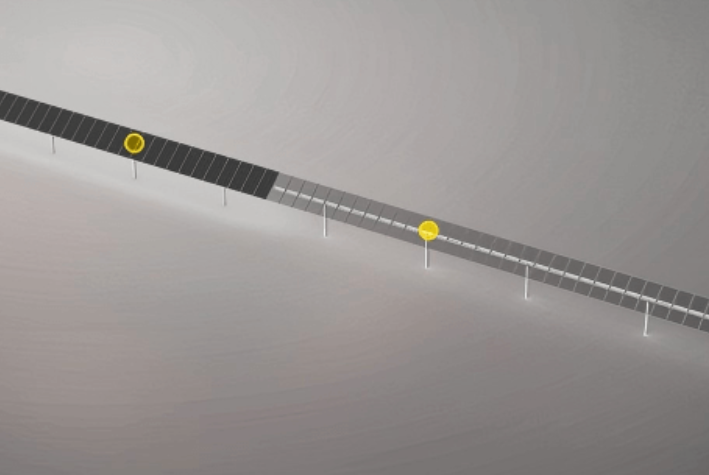
Maximizing annual energy yield while minimizing capital expenditure stands as the primary objective for engineering teams and procurement specialists designing modern solar power plants. Deploying a high-performance utility scale solar tracker allows utility installations to follow solar movement precisely throughout the day, generating higher power output than fixed-tilt arrays. Selecting robust mechanical architectures developed by manufacturers like Antaisolar enables developers to minimize balance-of-system expenses without compromising framework stability over twenty-five years of operational exposure.
Achieving long-term profitability requires balancing initial hardware acquisition costs against ongoing mechanical maintenance and structural reliability. Traditional single-axis tracking systems face significant mechanical stresses under dynamic wind turbulence, often requiring heavier structural profiles or additional foundation posts to resist torsional bending. Advanced structural engineering resolves these financial and physical constraints by improving cross-sectional geometry, optimizing torque transfer, and enhancing load-bearing efficiency across expansive project layouts.
Structural Limitations of Conventional Round and Square Torque Tube Geometries
Mechanical performance in single-axis tracking structures depends heavily on the geometry of the primary torque tube. Traditional tracking installations historically utilized cylindrical round tubes or standard square steel profiles to support physical panel loads across long spans. Round profiles provide efficient torsional behavior, but their structural performance still depends on diameter, wall thickness, material properties, and span requirements.
Square profiles provide directional bending stiffness, but sharp corners can create localized stress concentrations under certain loading conditions. These localized stress concentrations increase structural fatigue risks over extended periods of dynamic wind exposure. As photovoltaic modules become physically larger and heavier, conventional structural shapes demand more foundation piles per megawatt, driving up civil work budgets and total steel procurement expenditure.
Geometric Advantages and Material Efficiency of Octagonal Torque Tubes
Engineering custom cross-sectional profiles represents a major technological leap forward for large-scale solar tracking architecture. Implementing an octagonal cross-section combines the uniform rotational dynamics of circular tubes with the flat mounting surfaces characteristic of square profiles. The eight-sided geometry distributes internal shear stresses more evenly across the profile perimeter, preventing concentrated stress zones from forming under heavy dynamic torsional forces.
Utilizing optimized structural geometries enhances cross-sectional stiffness while reducing overall steel weight per meter. Incorporating specialized hardware, such as the self-developed Octagonal Torque Tube, allows single-axis frameworks to achieve higher structural rigidity alongside improved raw material utilization. This geometric refinement can improve material efficiency, with Antaisolar reporting up to 30% material cost reduction for the AT-Spark design.
Mechanical Synergies in Multi-Slew Drive System Architecture
Pairing high-rigidity structural profiles with multi-slew drive configurations transforms dynamic load distribution along single-axis tracking rows. Traditional single-drive tracking systems concentrate rotational torque at a single central point, leaving long extended spans vulnerable to wind-induced torsional oscillations. Multi-point drive arrangements distribute rotational restraint across several mechanical drive nodes, drastically reducing unbraced lengths along the primary structural axis.
Spreading mechanical torque across multiple actuation points distributes torsional forces more evenly along the tracker row, helping reduce structural deflection and dynamic loading. Hardware configurations, such as the AT-Spark intelligent tracking system, leverage multi-slew drive mechanics to achieve maximum continuous row lengths up to 143 meters. Extending single-row lengths maximizes land utilization factors and minimizes drive motor quantities across the generation field.
Foundation Optimization and Civil Works Cost Reduction
Civil engineering, site grading, and pile driving represent significant cost centers during the construction phase of utility-scale solar farms. Traditional tracking structures with shorter row spans require higher pile density per megawatt, increasing subsurface testing, heavy machinery operation, and manual alignment labor. Reducing the number of required ground foundation points directly lowers initial installation costs and shortens overall project commissioning schedules.
Integrating high-stiffness torque tubes with synchronized multi-point actuation allows structural engineers to extend distances between foundation pylons. According to Antaisolar, the AT-Spark multi-point drive solution can reduce pile quantity by up to 20% compared with its reference design. Lower foundation density minimizes site soil disruption, simplifies mounting operations on undulating terrain, and streamlines civil work logistics for EPC contractors and project installers.
Aerodynamic Stability and Intelligent Dynamic Stow Protocols
Protecting wide-span solar arrays against severe weather events requires pairing structural mechanics with responsive control automation. High-velocity winds create dynamic uplift and torsional flutter forces that can compromise structural joints if arrays remain at suboptimal tilt angles. Intelligent control algorithms continuously analyze wind vector data, initiating automated defense routines when atmospheric turbulence exceeds predetermined operational limits.
Advanced tracking control platforms alter tracker tilt angles to present minimal aerodynamic resistance during severe storm conditions. Incorporating specialized tracking hardware from Antaisolar provides integrated weather protection modes that safeguard structural components against wind gusts reaching elevated velocities. Operating within validated aerodynamic parameters preserves mechanical integrity, protecting capital investments across unpredictable operational environments.
Life-Cycle Performance and LCOE Reduction for Utility Assets
Evaluating total cost of ownership involves looking beyond initial equipment purchase prices to include twenty-five-year maintenance profiles and operational availability. Robust mechanical joints, high-rigidity torque tubes, and reduced drive-motor counts minimize physical wear points that typically require field servicing. Selecting high-integrity tracking components mitigates mechanical downtime risks, supporting consistent daily power generation schedules across the asset lifecycle.
Optimizing hardware structural metrics ultimately yields lower levelized cost of electricity by combining lower balance-of-system expenditure with enhanced annual energy harvesting. EPC procurement teams, developers, and distributors benefit from deploying standardized, high-rigidity tracking infrastructure across diverse geographical regions. Utilizing advanced multi-drive mechanical architecture provides a reliable, cost-effective framework built to sustain long-term power generation performance.
Conclusion
Achieving superior return on investment in utility-scale solar installations relies on deploying structurally efficient, high-rigidity hardware. Mitigating dynamic wind risks while reducing steel consumption and pile density directly lowers balance-of-system expenditure for commercial developers and EPC contractors. Selecting an advanced utility scale solar tracker equipped with innovative multi-point drive mechanics ensures reliable operational stability, optimizing long-term power yields for large-scale renewable energy assets worldwide.
