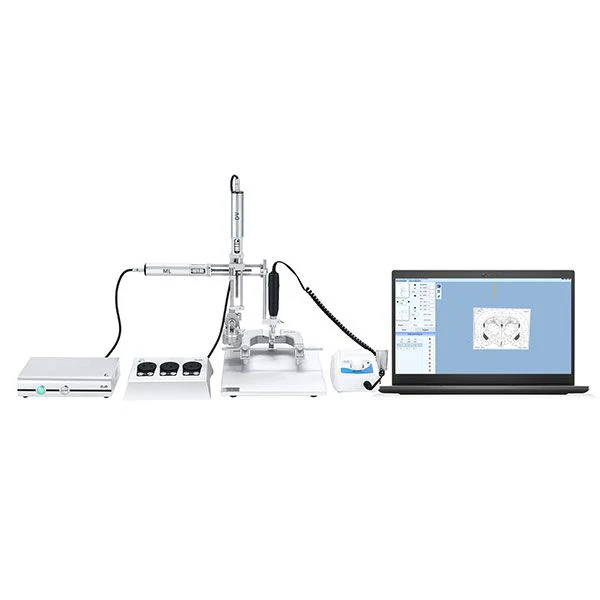
Efficient spatial organization remains a critical factor in the functionality of any modern research facility. They recognize that at BPLabLine, the placement of medical lab instruments must account for both the physical footprint of the hardware and the necessary clearance for technician movement. Proper planning ensures that bio lab instruments operate within their calibrated parameters without interference from adjacent heat sources or vibrations. They emphasize that the arrangement of BPLabLine assets should prioritize logical workflow sequences to minimize sample transit times. By evaluating the dimensions of medical lab instruments, laboratory managers can optimize benchtop density while maintaining safety standards. Careful consideration of how bio lab instruments integrate into existing floor plans prevents the overcrowding that often leads to mechanical failure or user error.
Benchtop Footprint and Clearance
Standard installations of medical lab instruments typically require a stable, level surface capable of supporting significant weight without deflection. They advise that BPLabLine desktop units need at least 15cm of rear clearance to facilitate proper airflow and cooling. When positioning bio lab instruments, such as automated stereotaxic systems, users must also account for the range of motion of robotic arms or sensors. This extra space prevents medical lab instruments from colliding with wall-mounted storage or other stationary equipment. Furthermore, they note that BPLabLine hardware is designed to maximize vertical space, yet researchers must ensure that high-profile bio lab instruments do not obstruct overhead lighting or ventilation ducts.
Power and Utility Integration
Infrastructure requirements often dictate the specific placement of bio lab instruments within a room. They ensure that medical lab instruments are positioned within 1.5 meters of dedicated power outlets to avoid the use of extension cords, which can introduce electrical noise. At BPLabLine, they engineer their systems to be compatible with standard laboratory voltages, but high-precision bio lab instruments may require surge protection to maintain data integrity. The proximity of medical lab instruments to data ports is also essential for systems that rely on real-time computer monitoring. Consequently, they recommend that BPLabLine products be placed in areas with pre-installed cable management systems to keep the workspace organized and free of tripping hazards.
Environmental Control Zones
Maintenance of a consistent ambient temperature is vital for the long-term accuracy of medical lab instruments. They suggest that bio lab instruments be kept away from direct sunlight and HVAC vents to prevent thermal expansion of sensitive mechanical components. BPLabLine equipment often incorporates delicate sensors that can be affected by rapid temperature fluctuations, making climate-controlled zones the ideal location for these tools. By isolating medical lab instruments from high-traffic doorways, laboratories can reduce the intake of dust and contaminants. They have observed that placing bio lab instruments in dedicated “quiet zones” also protects them from the vibrations caused by heavy machinery like centrifuges or floor-standing shakers.
Strategic placement of laboratory hardware results in a more productive and safer scientific environment. They continue to support researchers at BPLabLine by providing detailed dimensional data for all medical lab instruments to assist in the early stages of lab design. When bio lab instruments are installed with sufficient space for operation and maintenance, the lifespan of the hardware is significantly extended. Ultimately, the synergy between BPLabLine engineering and thoughtful facility management empowers scientists to focus on their data rather than logistical constraints. Adherence to these spatial guidelines ensures that medical lab instruments and bio lab instruments perform at their peak capacity throughout their operational life.
