Choosing the right equipment is one of the most important decisions when establishing or upgrading a dental clinic. In 2026, buyers are looking beyond basic functionality and focusing on reliability, workflow efficiency, compliance, and long-term operating value.
Modern clinics require integrated solutions that support dentists, improve patient experiences, and reduce maintenance challenges. Understanding how to evaluate equipment categories, supplier capabilities, and technical requirements helps investors and distributors make more informed purchasing decisions.
Understanding the Needs of Modern Dental Clinics
Before selecting equipment, buyers should first define their clinical requirements. Different dental practices have different workflows depending on treatment specialties, patient volume, available space, and future expansion plans.
A general dental clinic may prioritize flexible treatment solutions, while specialized practices may require equipment designed for advanced procedures. The selection process should consider daily workload, operator comfort, infection control requirements, and compatibility between different systems.
The goal is not simply purchasing individual devices but creating an efficient working environment where every component supports smooth clinical operations.
Evaluating Essential Dental Medical Equipment Categories
A complete clinic setup usually includes multiple equipment categories that work together. Buyers should evaluate each component based on performance, durability, maintenance requirements, and integration capability.
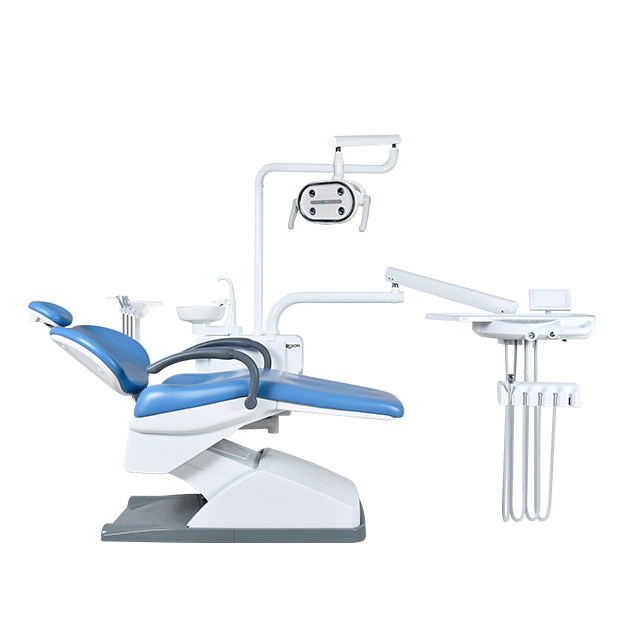
Dental treatment units are often considered the central part of a clinical workspace. They combine patient positioning, instrument access, lighting, water systems, and control functions. A well-designed unit can improve dentist efficiency while creating a more comfortable experience for patients.
Other important systems include air supply equipment, sterilization devices, diagnostic tools, and supporting accessories. Each component should meet the clinic’s workflow requirements while maintaining consistent performance during daily use.
How to Choose a Reliable Dental Equipment Supplier?
Selecting the right partner is as important as selecting the equipment itself. A professional dental equipment supplier should provide not only products but also technical support, documentation, and long-term service capability.
Buyers should review supplier experience, manufacturing processes, quality management systems, and available product ranges. A supplier with strong production capabilities is usually better prepared to handle customization requests and different market requirements.
Roson provides dental solutions designed around professional clinical needs, offering products including dental units and related equipment for global dental professionals. The company focuses on product quality, practical innovation, and support services to help partners build reliable dental environments.
Key Factors When Comparing Equipment Suppliers
When comparing suppliers, buyers should look beyond product pricing. Lower initial costs may lead to higher expenses if equipment requires frequent repairs or lacks technical support.
Important evaluation factors include manufacturing quality, component reliability, installation guidance, and after-sales services. Suppliers should provide clear product information and support customers throughout the equipment lifecycle.
A dependable partner can help reduce purchasing risks by offering professional recommendations based on clinic layout, treatment requirements, and regional market conditions.
For international buyers, working with experienced suppliers can also simplify communication, logistics planning, and product customization. A supplier with global experience understands the challenges of different healthcare markets and customer expectations.
The Importance of Ergonomics and Workflow Integration
Modern dental practices increasingly emphasize ergonomic design. Equipment should support natural working positions for dentists and assistants while improving treatment efficiency.
The arrangement of chairs, lights, instruments, and storage areas directly affects daily productivity. Poor equipment placement can increase unnecessary movement and reduce operator comfort over time.
When selecting a dental medical equipment solution, buyers should consider how each device fits into the overall workspace. Integrated designs can create smoother workflows and help dental teams provide consistent patient care.
A well-planned clinic environment should also allow future upgrades. Equipment with flexible configurations makes it easier to adapt when technology or service requirements change.
Quality Standards and Long-Term Reliability
Medical equipment requires careful attention to quality standards because reliability directly affects clinical operations. Buyers should review whether manufacturers follow structured production processes and quality control procedures.
Manufacturing transparency is another important consideration. Reliable suppliers typically maintain detailed inspection systems, production controls, and documentation practices to ensure consistent product performance.
Roson applies professional manufacturing management methods and quality-focused processes to support stable equipment production. The company’s product portfolio includes dental units, air compressors, and other clinic solutions designed for professional applications.
Planning for Future Dental Clinic Development
Equipment purchasing decisions should consider future growth rather than only current needs. Clinics may expand services, increase patient capacity, or adopt new treatment technologies over time.
Choosing scalable equipment solutions allows businesses to upgrade gradually without replacing entire systems. Buyers should discuss expansion possibilities with suppliers before making final decisions.
A reliable supplier can provide recommendations based on expected clinic development, helping customers select equipment that remains valuable for years.
In 2026, the dental industry continues moving toward smarter, more integrated clinical environments. Equipment selection is becoming a strategic investment rather than a simple purchase decision.
Conclusion
Selecting dental medical equipment requires careful evaluation of clinical needs, supplier reliability, product quality, and long-term value. Buyers should focus on creating efficient dental environments rather than choosing individual products based only on price.
A trustworthy dental equipment supplier can provide professional guidance, dependable products, and ongoing support throughout the equipment lifecycle. By considering workflow integration, maintenance requirements, and future development, clinics can build stronger foundations for success.
As dental technology continues evolving, informed purchasing decisions will help practices improve efficiency, enhance patient experiences, and achieve sustainable growth in an increasingly competitive healthcare market.
