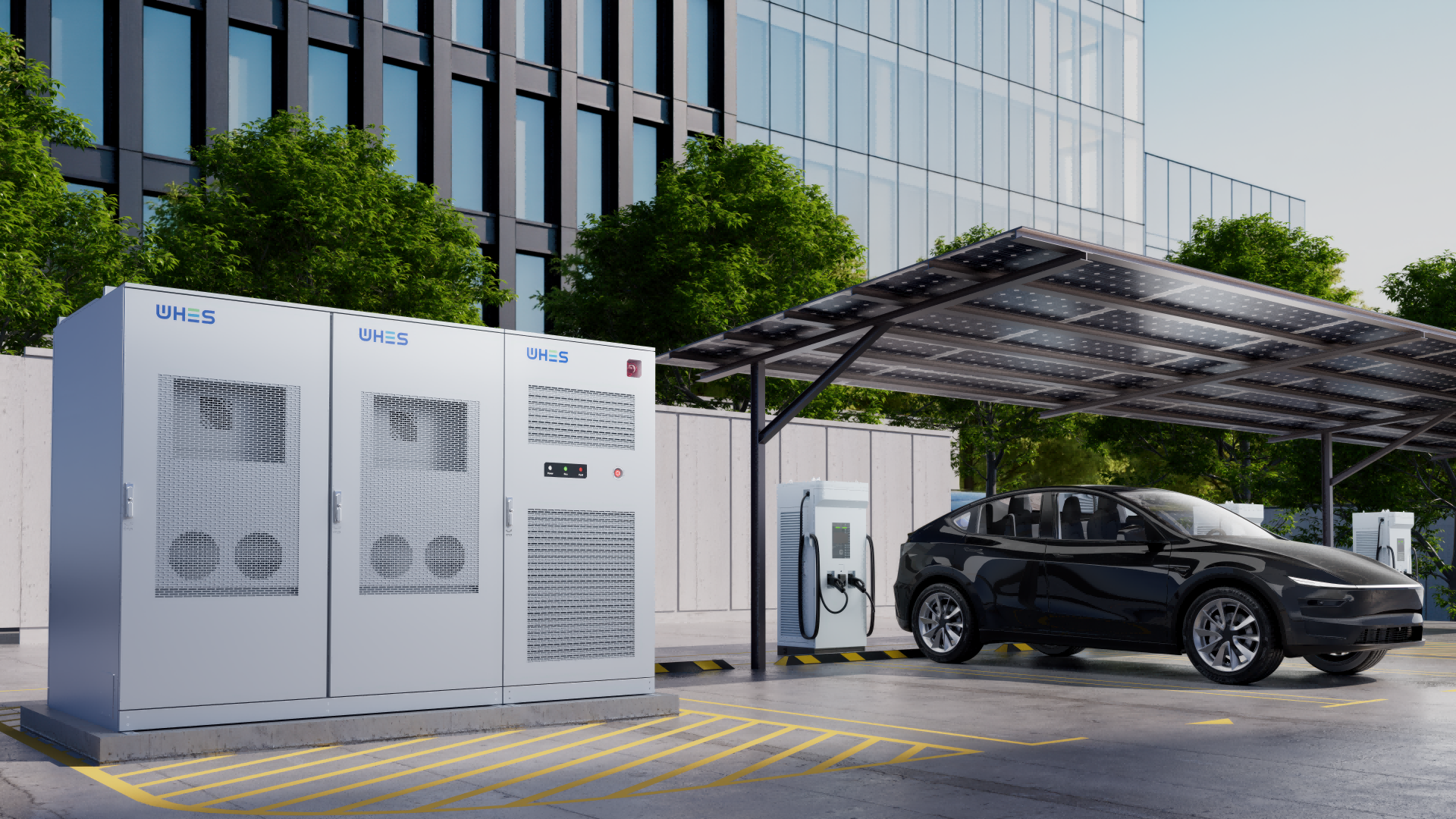
The expansion of solar power has fundamentally changed generation patterns, but it has also exposed a structural limitation: energy is produced when sunlight is available, not when demand peaks. In recent energy storage news, this gap is increasingly addressed through integrated storage systems that allow solar energy to function beyond daylight hours. WHES participates in this transition by supporting storage-oriented architectures that improve the usability of solar power across residential, commercial, and utility applications.
Addressing the Timing Gap in Solar Generation
A recurring topic in solar energy articles is the mismatch between peak solar output and peak electricity demand, which often occurs in the evening. Without storage, surplus midday generation is either curtailed or exported at lower value. By pairing solar systems with batteries, excess energy can be retained and dispatched later. WHES focuses on storage configurations that help smooth this imbalance, improving overall system efficiency and increasing self-consumption rates in real operating conditions.
Extending Solar Energy Beyond Daylight Hours
A major development highlighted in energy storage news is the concept of “time-shifted solar,” where electricity generated during the day is made available at night. This shift effectively transforms solar from a time-limited resource into a more dispatchable energy source. Industry deployment data shows that solar-plus-storage systems are increasingly capable of supporting evening demand peaks, reducing reliance on conventional generation during high-cost periods.
System-Level Integration and Energy Reliability
Modern solar energy articles emphasize that storage is no longer an optional add-on but acore component of system design. When integrated at scale, batteries support grid stability, reduce congestion, and improve renewable penetration rates. WHES aligns with this direction by focusing on storage solutions that coordinate energy flow between generation and consumption, enabling solar systems to operate more predictably across varying demand conditions and contributing to long-term energy reliability.
