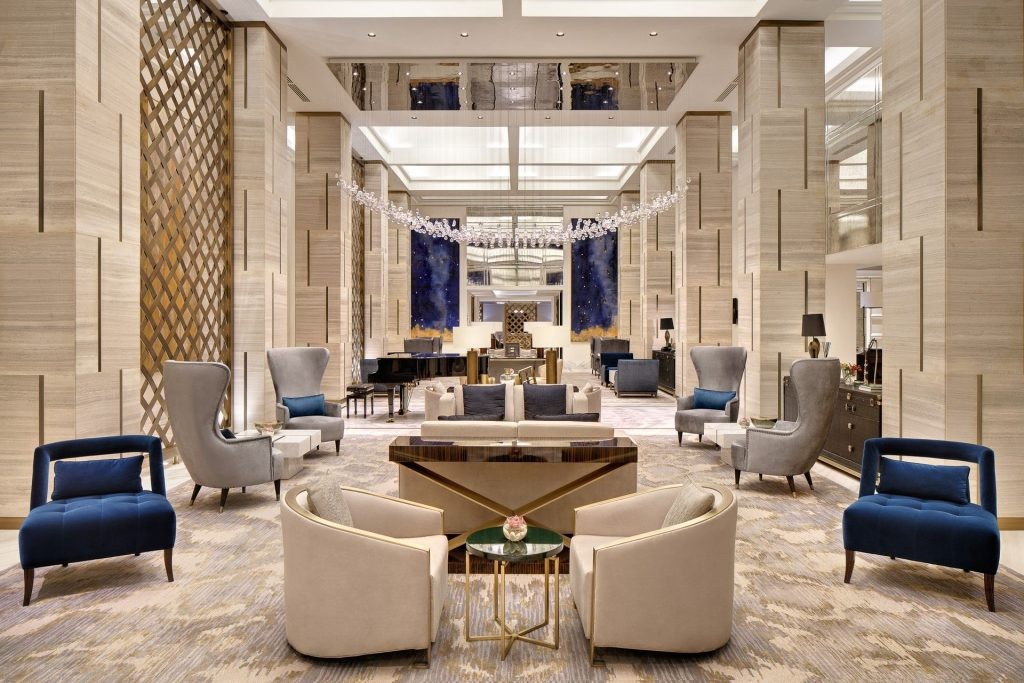
A successful custom furniture project involves far more than turning a visual concept into physical pieces. Every decision, from material selection to installation access, can affect the final appearance, usability, and project schedule. A luxury custom furniture manufacturer must translate design expectations into practical specifications while coordinating the people and processes involved. BFP Furniture works within this project-based approach, where clear communication and technical preparation help connect design intent with on-site results.
Design Intent and Project Briefing
The design handover establishes the direction for the entire furniture project. Architects, interior designers, procurement teams, and operators may each have different priorities, so the initial brief needs to clarify the intended atmosphere, functional requirements, target budget, and expected service life. Visual references alone are rarely sufficient; material preferences, finish expectations, hardware details, and usage conditions should also be documented.
A useful brief distinguishes essential design features from elements that allow adjustment. For example, a distinctive curved profile or a particular upholstery texture may be central to the interior concept, while the internal structure or concealed fittings could offer room for technical refinement. This distinction helps a custom furniture manufacturer China understand which details must remain consistent and where practical alternatives may be considered.
Early coordination also reduces the risk of conflicting interpretations. Drawings, finish samples, reference photographs, and written specifications should describe the same design direction. If a rendering shows a warm wood tone but the specification lists a different finish, the discrepancy needs to be resolved before production documentation is prepared. A well-organized briefing gives every project participant a shared reference point.
Site Measurement and Interface Confirmation
Architectural drawings provide an essential starting point, but actual site conditions can differ from the original plans. Wall irregularities, floor-level variations, column positions, skirting boards, electrical outlets, and mechanical equipment may all affect furniture dimensions. Site measurement helps identify these conditions before fixed furniture or closely fitted components enter production.
Measurements should cover more than the overall width, height, and depth of an installation area. Door swings, drawer extension, maintenance access, circulation routes, and clearance around adjacent fixtures also deserve attention. For built-in cabinets, reception counters, and wall-mounted units, the relationship between furniture and building services is particularly important. Missing an electrical outlet or access panel can create avoidable modifications during installation.
Interface confirmation turns these observations into actionable technical information. The project team should clarify responsibility for wall preparation, power connections, fixing points, and any required reinforcement. A luxury custom furniture manufacturer can then assess whether the proposed construction method suits the actual site, rather than relying solely on assumptions from preliminary drawings. This stage is especially valuable for projects involving multiple trades and tightly coordinated installation schedules.
Detailed Design and Sample Approval
Following the design briefing and site survey, preliminary concepts are developed into production-ready drawings. These documents typically specify dimensions, construction methods, material grades, edge treatments, hardware positions, and finish details. Sections and enlarged details can explain areas that are difficult to interpret from a general elevation, such as joints, concealed supports, and transitions between different materials.
Sample approval provides another layer of control before bulk manufacturing begins. A finish board can demonstrate color and surface texture, while a physical prototype helps assess proportions, comfort, stability, and construction details. Upholstery samples are particularly useful because fabric appearance may change under different lighting conditions. For furniture used in hospitality environments, practical tests of cleaning requirements and expected wear can also inform material decisions.
BFP Furniture’s project work can include custom casegoods and upholstered furniture developed around approved drawings and material references. For instance, a guest-room bedside cabinet may be specified with a particular overall depth to accommodate the room layout. The approved dimensions and finish sample then become reference points for production checks, rather than relying on visual interpretation alone.
A custom furniture manufacturer China should maintain a clear record of approved revisions. Drawing numbers, sample references, and written confirmation help distinguish the latest specifications from earlier versions. Any proposed substitution involving material, hardware, or construction should be reviewed before implementation, since a seemingly minor adjustment can affect appearance, durability, or compatibility with neighboring components.
After-Sales Support and Refurbishment
The project does not end once the furniture has been installed. During the first period of operation, staff may identify issues that were not apparent during inspection, such as loose fittings, uneven doors, surface damage, or unexpected wear in frequently used areas. A structured handover gives the operator useful information for reporting and addressing these concerns.
Maintenance documentation should identify material types, cleaning methods, hardware specifications, and recommended inspection intervals. Different finishes require different care: abrasive cleaning products may damage delicate surfaces, while unsuitable moisture exposure can affect certain wood-based materials. Clear instructions help housekeeping and maintenance teams avoid practices that shorten furniture service life.
Refurbishment planning can also extend the value of a custom furniture investment. Depending on the furniture’s construction and condition, worn upholstery may be replaced, hardware may be updated, and damaged surface components may be repaired without rebuilding the entire piece. Retaining original drawings and material records makes future repairs easier to coordinate, particularly when replacement components need to match an existing installation.
Reliable project delivery depends on decisions made at every stage, not simply on the appearance of the finished furniture. From interpreting the design brief to checking site interfaces and maintaining approved specifications, each step contributes to a smoother transition from drawings to daily use. BFP Furniture approaches custom projects through this coordinated process, while a capable luxury custom furniture manufacturer helps clients preserve design intent and address practical requirements throughout the furniture’s service life.
